
Understanding Weight Gain and Inch Loss: Uncovering Hidden Factors in Your Fitness Journey
Many people who strength train and watch their eating habits find themselves puzzled when the scale shows weight gain, yet their clothes fit better and inches seem to disappear. This can feel confusing and frustrating, especially when effort and discipline are involved. The truth is, weight and body measurements don’t always tell the full story. Several hidden factors can influence these changes, and understanding them can help you adjust your approach to reach your goals more effectively.
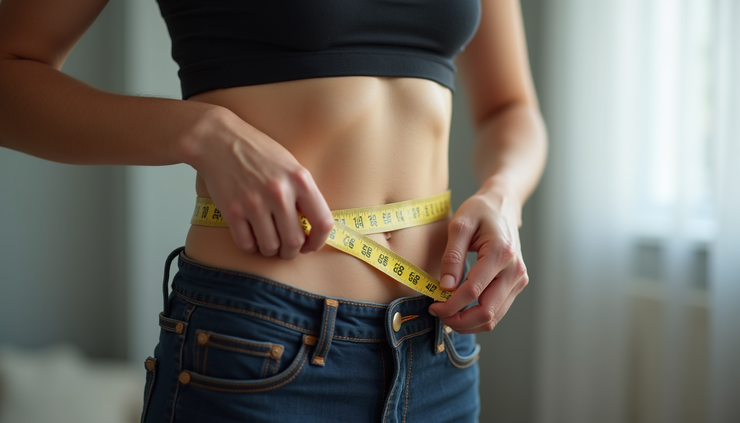
Tracking waist measurements can reveal fat loss even when weight increases.
Why Weight Gain Happens Despite Strength Training and Healthy Eating
Strength training builds muscle, which is denser and weighs more than fat. This means your weight can increase or stay the same while your body composition improves. Here are some reasons why the scale might not reflect your fat loss:
Muscle Growth: Muscle tissue takes up less space but weighs more than fat. Gaining muscle can increase your overall weight.
Water Retention: Intense workouts cause inflammation and micro-tears in muscles, leading to temporary water retention.
Glycogen Storage: Muscles store glycogen for energy, which binds with water. After strength training, glycogen stores increase, adding weight.
Hormonal Fluctuations: Stress, sleep, and hormonal changes can cause your body to hold onto water or fat.
Understanding these factors helps explain why weight gain can coexist with inch loss.
How Losing Inches Can Happen Even When the Scale Moves Up
Losing inches means you are reducing fat around your body, which is a positive sign of progress. Muscle growth and fat loss can happen simultaneously, changing your body shape without a drop in weight. Here’s how:
Fat Loss Underneath Muscle: As you build muscle, fat layers shrink, making your body firmer and more toned.
Improved Posture and Muscle Tone: Strength training improves posture and muscle tone, which can make your waist and limbs appear slimmer.
Redistribution of Body Composition: Your body may redistribute fat and muscle, leading to smaller measurements even if weight increases.
Measuring your waist, hips, and other areas regularly gives a clearer picture of your progress than relying solely on the scale.

Balanced nutrition supports muscle growth and fat loss.
Hidden Problems That Could Be Slowing Fat Loss
If you are strength training and eating well but still not losing fat, some less obvious factors might be at play:
Calorie Surplus or Underestimating Intake: Even healthy foods can add up to more calories than you burn. Tracking portions and total intake is crucial.
Inconsistent Training or Recovery: Overtraining or insufficient rest can increase cortisol levels, which promotes fat storage.
Sleep Quality: Poor sleep disrupts hormones that regulate hunger and fat storage, making it harder to lose fat.
Stress Levels: Chronic stress raises cortisol, which can lead to fat gain, especially around the abdomen.
Medical Conditions: Thyroid issues, insulin resistance, or medications can affect metabolism and fat loss.
Addressing these factors can help break through plateaus and improve results.
Practical Steps to Lose Fat and Inches Effectively
To lose fat and inches while strength training, consider these strategies:
Track Your Calories and Macros: Use apps or journals to monitor your food intake accurately.
Prioritize Recovery: Include rest days, stretching, and quality sleep in your routine.
Manage Stress: Practice mindfulness, meditation, or activities that reduce stress.
Adjust Training: Incorporate cardio or high-intensity interval training (HIIT) alongside strength workouts.
Stay Consistent: Progress takes time; focus on steady habits rather than quick fixes.
Measure Progress Beyond Weight: Use tape measurements, progress photos, and how clothes fit.
These steps help create a balanced approach that supports fat loss and muscle gain.

Consistent strength training combined with recovery supports fat loss and muscle gain.


Comments